
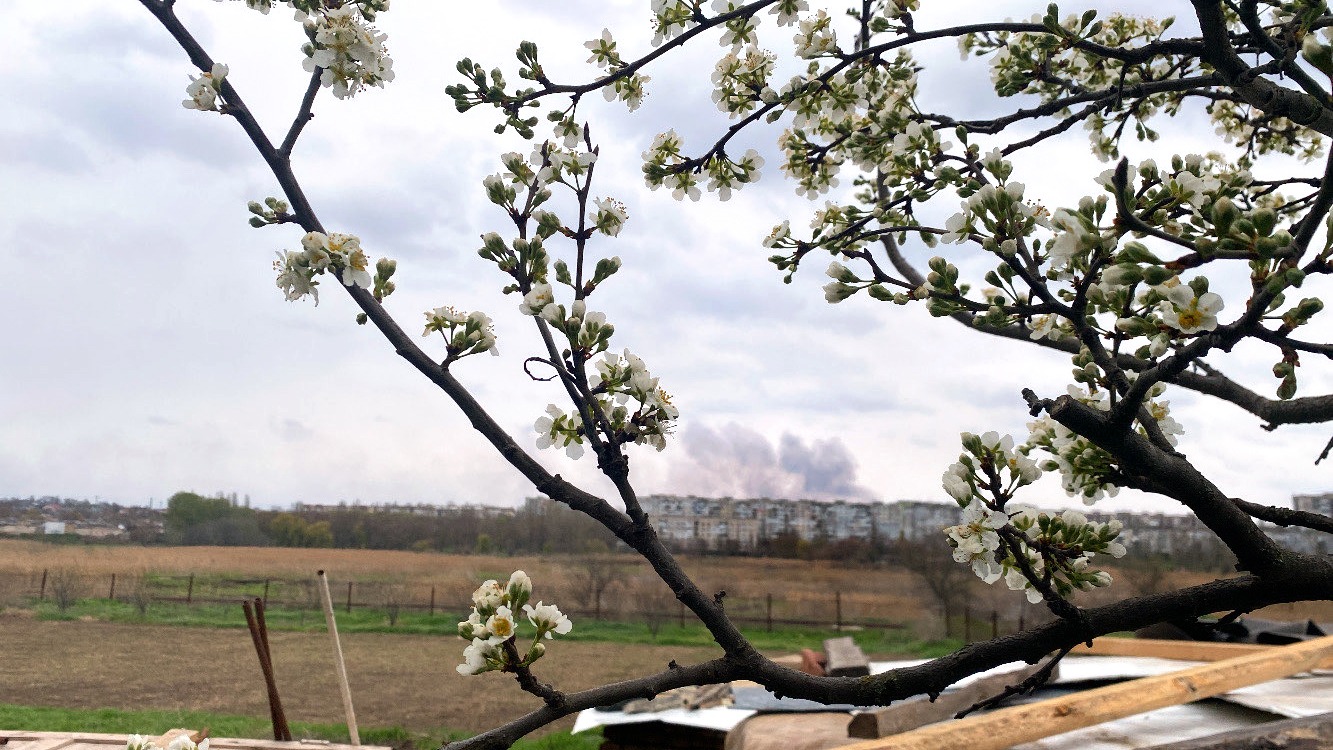
For over thirty years, we have lived through conflicts.
We started in the 1990s in the Balkans, in what was then the first war in Europe after the Second World War.
We were moved by our own weakness: we had no direct experience with war and didn't know what to do, but we could at least avoid leaving those people alone.
The world was changing, the Berlin Wall had recently fallen, and "cold wars" were turning hot again.
Starting in the Balkans gave us certain advantages: the power dynamics shifted quickly, and victims soon became aggressors. There was little interest for nonviolence as a mere theory; every word had to be followed by coherent action ("We aren't interested in politics, but the fact that you have woven your lives with ours, day after day, that speaks to us," they told us).
The journey has been long, filled with joy and tears, with laughter, with fear and moments of hope, with defeats and darkness, with glimpses of a future and of unexpected humanity.
Today, as everyone can see, we are facing a new change. The illusion that there could be oases of peace and prosperity in a sea of war and poverty is coming to an end.
What do we say in the face of never-ending wars, of the European call to rearm, of Palestine, of Ukraine, of... what is our position?
We try to live within it, to not leave people alone in the clutches of violence.
We are climbing uphill, or swimming against the current. How beautiful it would be for us if our daily lives could speak, among the tents of refugee camps, under bombs, or alongside those who live and pay with their lives in the search for alternatives to war.
K
 OPERAZIONE COLOMBA


